
The Long Game

Not every property move looks the same.

Different doors into property

Five pathways. Which one fits depends on your position, not on the property. These are opportunities, not a promise that any of them suits you.

Discuss your circumstances

A 1970s brick home with a terracotta roof, opened up to show a family at home inside

Pathway 1

A home of your own

Buying where you live, with the repayments and the holding costs worked out before you commit.

Suits
A first or next home, bought to fit a longer plan.
Watch for
Stretching for the house you love, then meeting rates, insurance and upkeep on top of the loan.
The detail: who is involved and how it runs

Risks in full

Stretching for the house you love and underestimating what it costs after settlement: repayments, rates, insurance and upkeep.

Specialists involved

Finance is assessed by a licensed broker or lender. A solicitor or conveyancer reviews the contract.

How it runs

  1. Your goal and budget, with a broker's pre-approval
  2. What to look for, and where
  3. Inspections, due diligence and the contract
  4. Settlement, and a plan for holding it

Who does what

Jim personally
Talks through your position and helps you weigh up homes against your plan.
Jim coordinates
Introductions to a broker, a conveyancer or solicitor, and inspectors.
Licensed specialists are responsible for
Finance (licensed broker or lender), the contract (solicitor or conveyancer), building and pest inspection.
What would the repayments be?

Repayments
Working it out
Interest you would pay
Working it out

Principal and interest at one unchanging rate. Rates move, so treat this as a starting point.

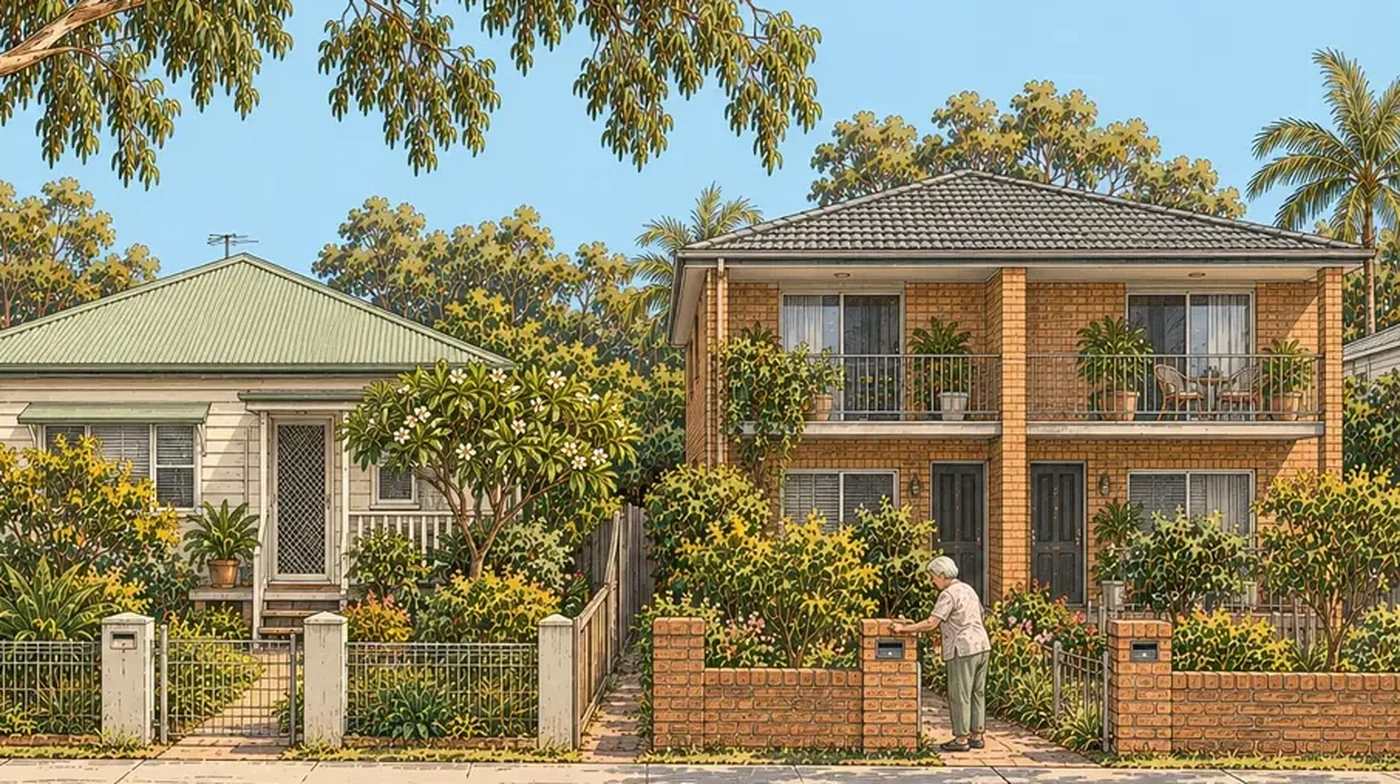
A fibro cottage with a green roof beside a pair of brick units on a suburban street

Pathway 2

Investment property

A property bought to rent and hold, once a broker has confirmed what you can actually borrow.

Suits
A clear goal, and borrowing capacity already confirmed.
Watch for
Empty weeks, rate rises and repairs. Ask your accountant about tax.
The detail: who is involved and how it runs

Risks in full

Empty weeks, rate rises, repairs, and buying what you would like to live in rather than what a tenant wants. Ask your accountant how tax affects your numbers.

Specialists involved

A broker or lender for finance, an accountant for tax, a property manager for the tenancy.

How it runs

  1. Your goal and borrowing capacity
  2. Area and tenant research
  3. Choosing a property and due diligence
  4. Purchase and settlement
  5. Leasing, and a holding plan with a buffer
  6. A review every year

Who does what

Jim personally
Helps identify suitable properties and tests the numbers with you.
Jim coordinates
A broker, a solicitor, an accountant and a property manager.
Licensed specialists are responsible for
Credit (licensed broker or lender), legal, tax (accountant) and property management (licensed agent).

What would it cost you to hold?

Interest on the loan
Working it out
Rent, less that interest
Working it out

Interest only, nothing else counted. A rough guide, not advice about a real property.

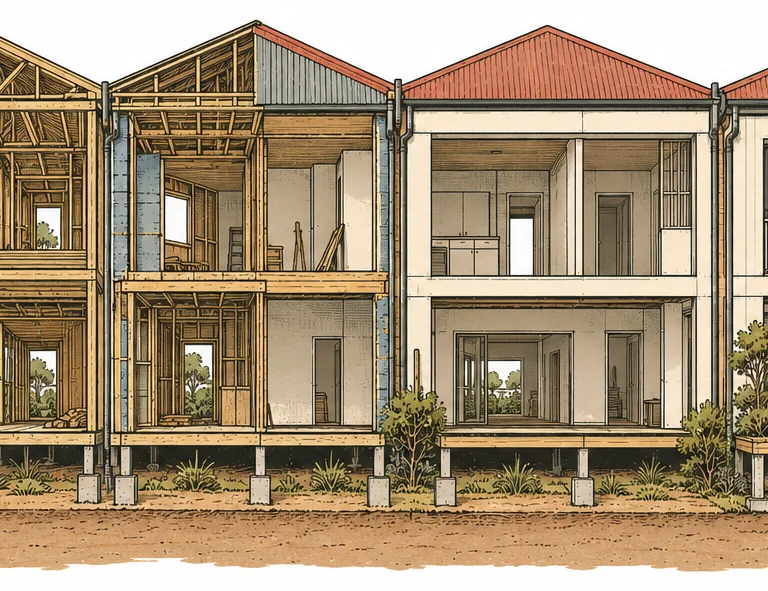
A row of two-storey units, some still in timber frame and some finished

Pathway 3

Micro apartments

Independent micro apartments, each let on its own, under the planning, building and fire safety rules that apply to them.

Suits
People comfortable with more management and specialist advice.
Watch for
Approvals, fire safety, higher running costs and turnover. There is no typical return.
The detail: who is involved and how it runs

Risks in full

Planning and building approvals, fire safety, registration where it applies, higher running costs and tenant turnover. There is no typical return.

Specialists involved

A town planner or certifier, a fire safety assessor, and a manager experienced with micro apartments.

How it runs

  1. Feasibility and a council check
  2. Compliance and fire safety assessment
  3. Purchase, or conversion of a property you own
  4. Registration, where the rules require it
  5. Letting and day-to-day management
  6. A review every year

Who does what

Jim personally
Brings experience of the micro apartment model, and assesses whether a property suits it.
Jim coordinates
A certifier, a fire safety assessor and an experienced property manager.
Licensed specialists are responsible for
Planning and building approval (town planner, certifier), fire safety, management (licensed agent), legal.

What could the apartments return?

Rent from the apartments
Working it out
Across a year
Working it out

Add your own figures. Income only: management, bills, approvals and turnover all come out of this, and there is no typical return.

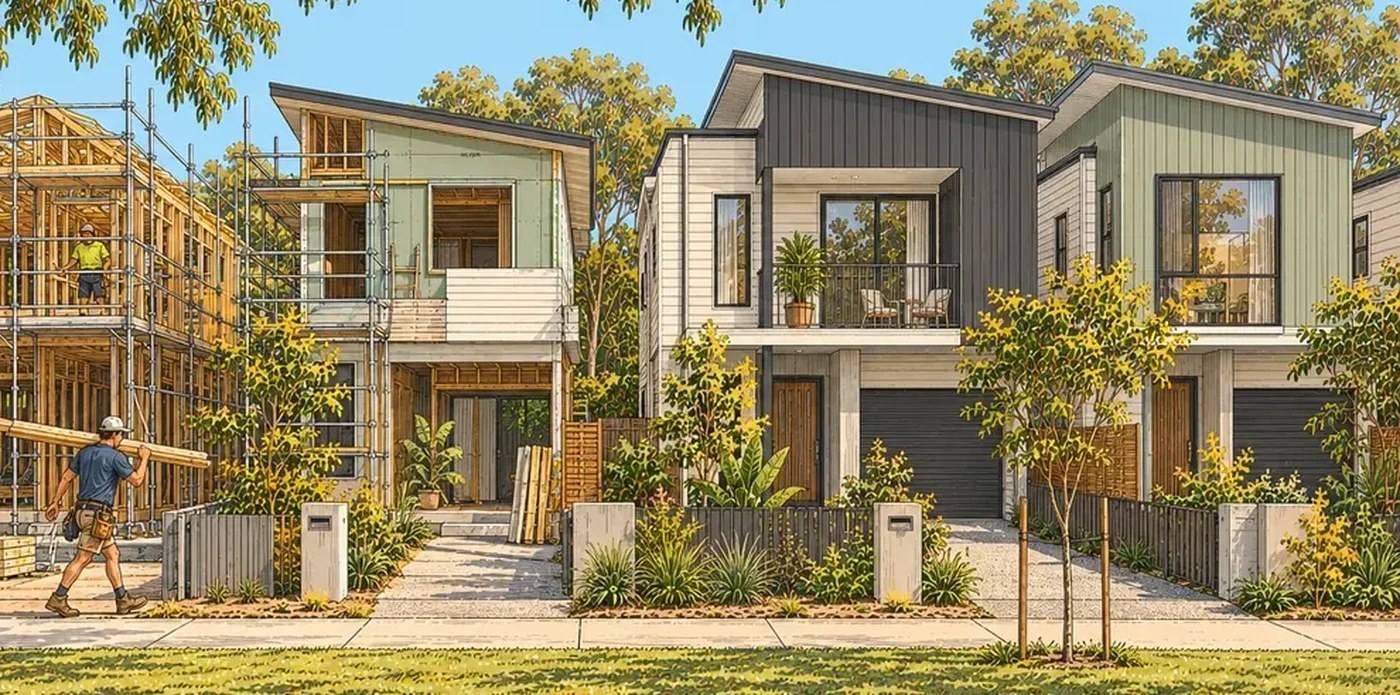
New townhouses going up along a street, from timber frame to finished homes

Pathway 4

Property development

Land turned into dwellings, over a timeframe measured in years rather than months.

Suits
People with land, or the means to buy it, and no hurry.
Watch for
Approval delays, cost increases, finance and valuation gaps, and time.
The detail: who is involved and how it runs

Risks in full

Approval delays, cost increases, finance and valuation gaps, building problems and time. Selling part of a project can be the right objective.

Specialists involved

Planners, designers, builders, project managers, valuers, lenders and solicitors, depending on the project.

How it runs

  1. Feasibility: site, costs and what the end result is worth
  2. Approvals
  3. Design
  4. Builder and contract
  5. Finance for land and construction
  6. Construction, with progress checks
  7. Completion, then sell, lease or both

Who does what

Jim personally
Assesses the opportunity and, where agreed, facilitates the project.
Jim coordinates
Designers, the builder, a project manager, a valuer and a lender.
Licensed specialists are responsible for
Planners and certifiers, a licensed builder, valuers, lenders and solicitors.

What does carrying the build cost?

Interest while you build
Working it out
If it runs over
Working it out

The high mark: it assumes the whole amount is owing for the whole build, with nothing coming in. A build drawn in stages costs less.

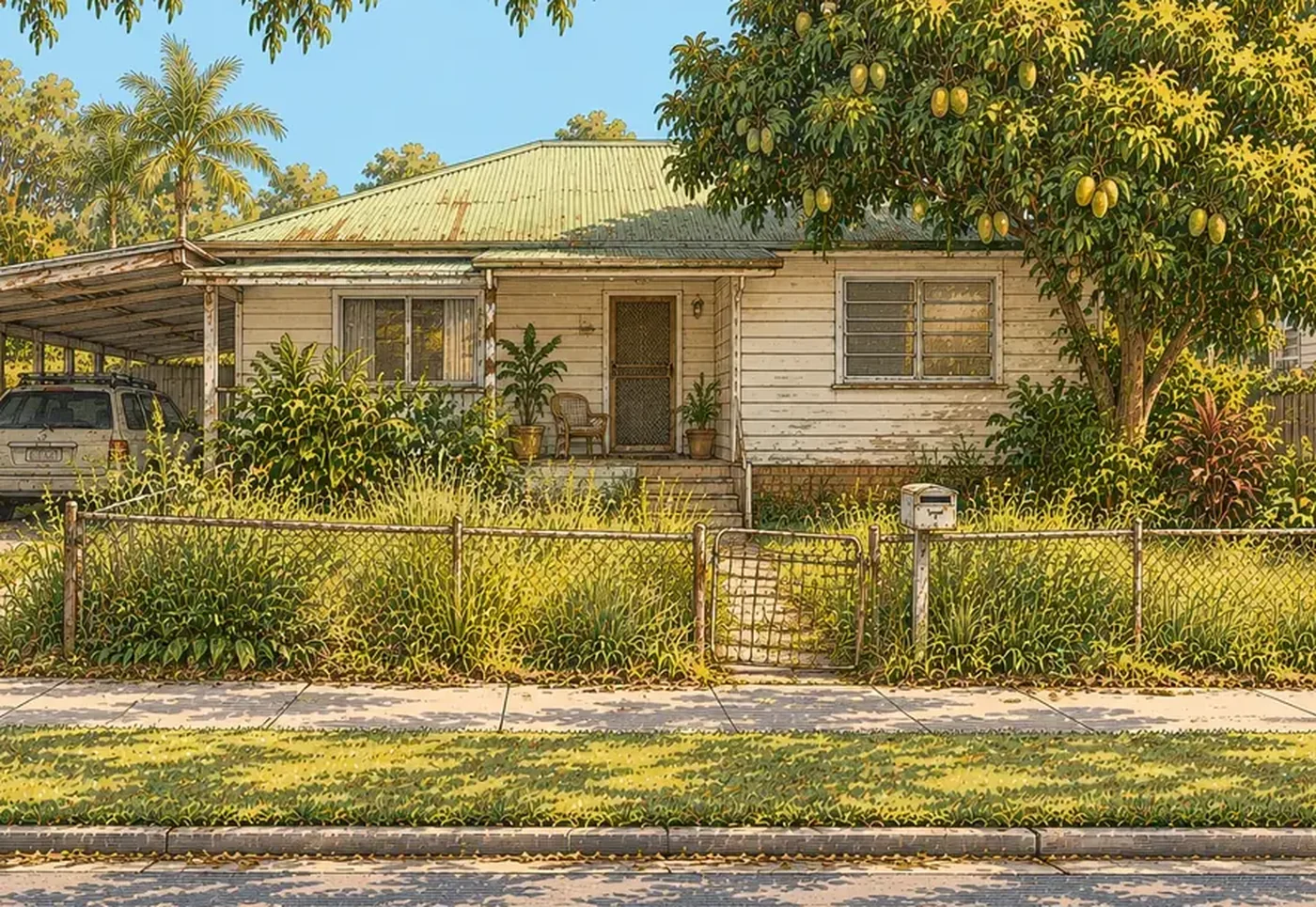
A tired 1960s fibro house with a faded green roof and an overgrown garden

Pathway 5

Distressed opportunities

Property bought under pressure, where the complexity is the reason the price is what it is.

Suits
Experienced buyers with funds ready and capacity for complexity.
Watch for
Defects you cannot see at inspection, title and legal issues, and pressure to decide quickly.
The detail: who is involved and how it runs

Risks in full

Defects you cannot see at inspection, title and legal issues, liabilities that come with the property, and pressure to decide quickly.

Specialists involved

A solicitor, building and pest inspectors, a valuer and, where needed, an accountant.

How it runs

  1. Why it is for sale, and how long there is
  2. Due diligence: title, condition and liabilities
  3. An offer, with conditions where possible
  4. Settlement
  5. A plan to hold, fix, develop or resell

Who does what

Jim personally
Identifies and assesses opportunities, and explains the risks plainly.
Jim coordinates
Inspectors, a solicitor and a valuer, often on short timeframes.
Licensed specialists are responsible for
Legal (solicitor), building inspection, valuation, and tax and structure (accountant).

Are you in a position to move on one?

You have
Working it out
What that means
Working it out

A conversation, not a calculation. Distressed buying turns on judgement and timing. Talk it through

Pathways overlap

A distressed property can be bought, developed, then held as an investment. The structure and the risks are weighed together, not one at a time.

How Jim and the specialists he works with are paid is set out in writing before any work begins.

A line drawing of a Queensland street

Start with what matters to you.

There may be more than one way forward. The first step is understanding your circumstances.

Start here